

This is a series of journal entries from my recent trip to the mountains...which I fell in love with originally when I first visited K2. Read about that here.
This is Part 2. Part 1 is here.
One of the most interesting aspects of the Balti way of mountaineering is how the preparation is set up.
I wondered why they chose the Hopar Glacier, in early February. I now understand why.
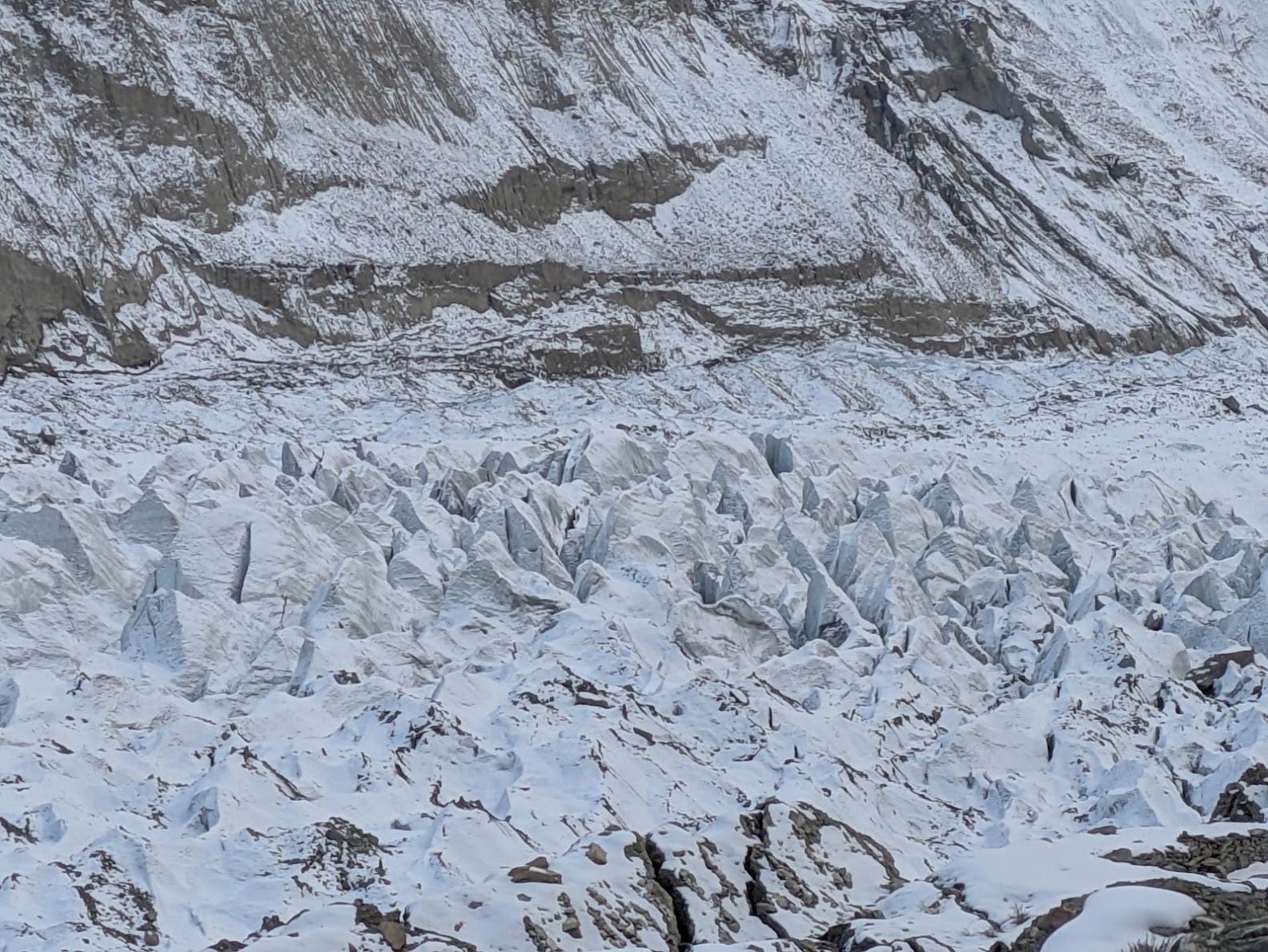
The temperature here is regularly -20. Sometimes, it goes down to -30.
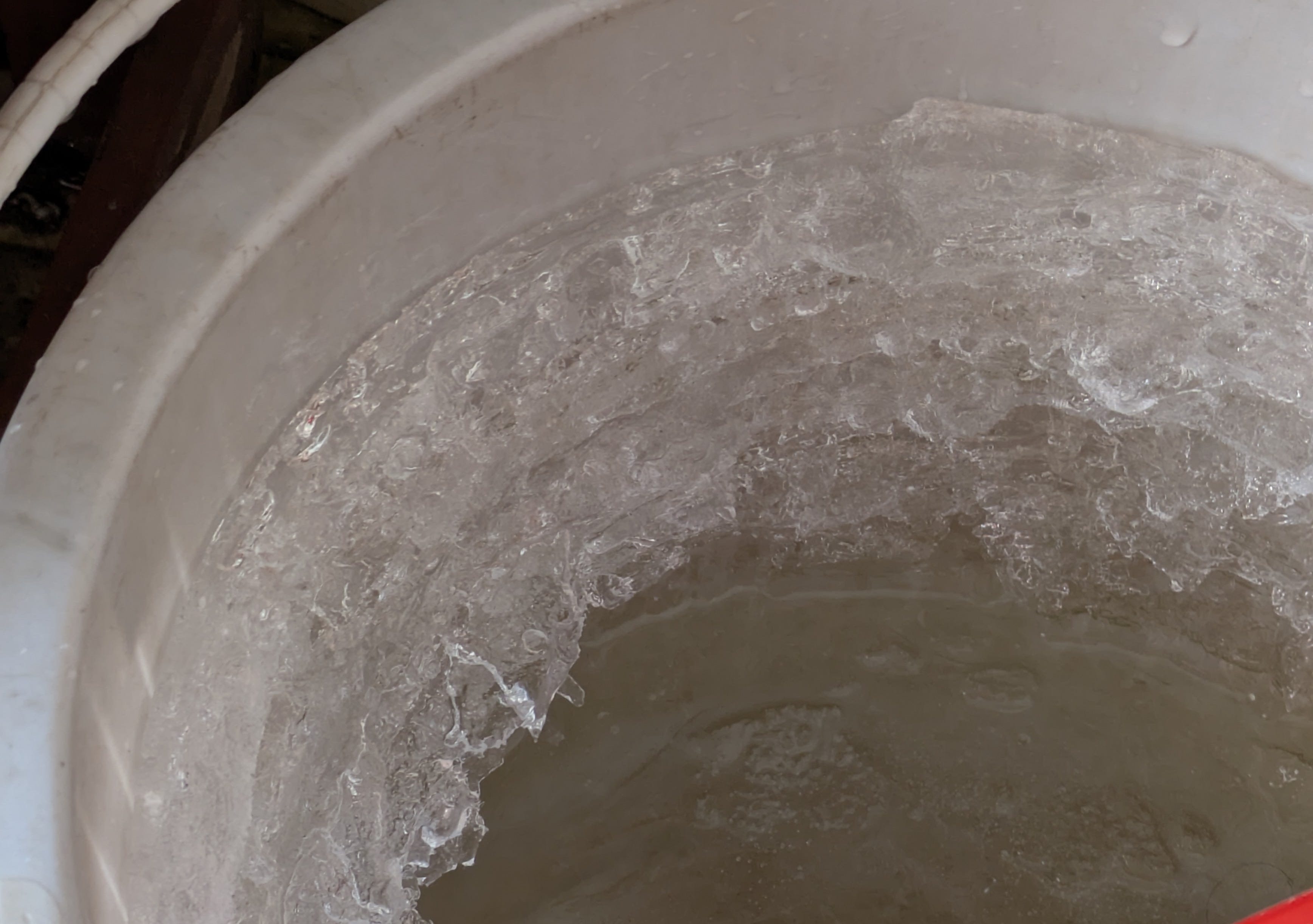
If one hasn’t experienced these temperatures before, it is debilitating. Even moving becomes hard. The joints start to get stiff. Your water bottle freezes as it rests beside you.
The challenge then is: how will you show up? If one allows their mind to worry, there are a ton of things to get you into a spiral. Why are my toes numb? Why is my breathing odd and shallow? Why are my feet swelling so that they have a hard time fitting in my shoes? Why is there ice on my eyelashes?
The Balti way is to experience the mountain before you really experience it. This is the temperature at the summit. Worrying is pointless. So what do you do? You begin to channel all your energy into maintaining business as usual.
Walking to the open toilet for wuzu and back to pray feels like a death march. You still do it. If you feel like taking a walk on the snow, you do it. Even getting out of the sleeping bag seems like a marathon. You do it nevertheless.
The frozen water bottle has to be shaken, then put beside your sleeping bag, then shaken again to create a slush that satisfies your thirst.
In the mountains, the ordinary begins to seem extraordinary. To do all of this seems like an act of rebellion itself.

That’s the first Balti test. A simulation of high-altitude mountaineering — built and done first, before anything else, so your mind knows what it's signed up for. The technical, the physical, all can be learnt, they say.
But what your mind tells you in the dead of the night when you’re stiff — that only you can teach yourself.